
22 min read ·
How to Create Caring Memories That Last: Personalized Funeral and Memorial Ideas
Build a balanced base of 25 images without sorting every album, then pair them with meaningful stories, music and objects to personalize the service.
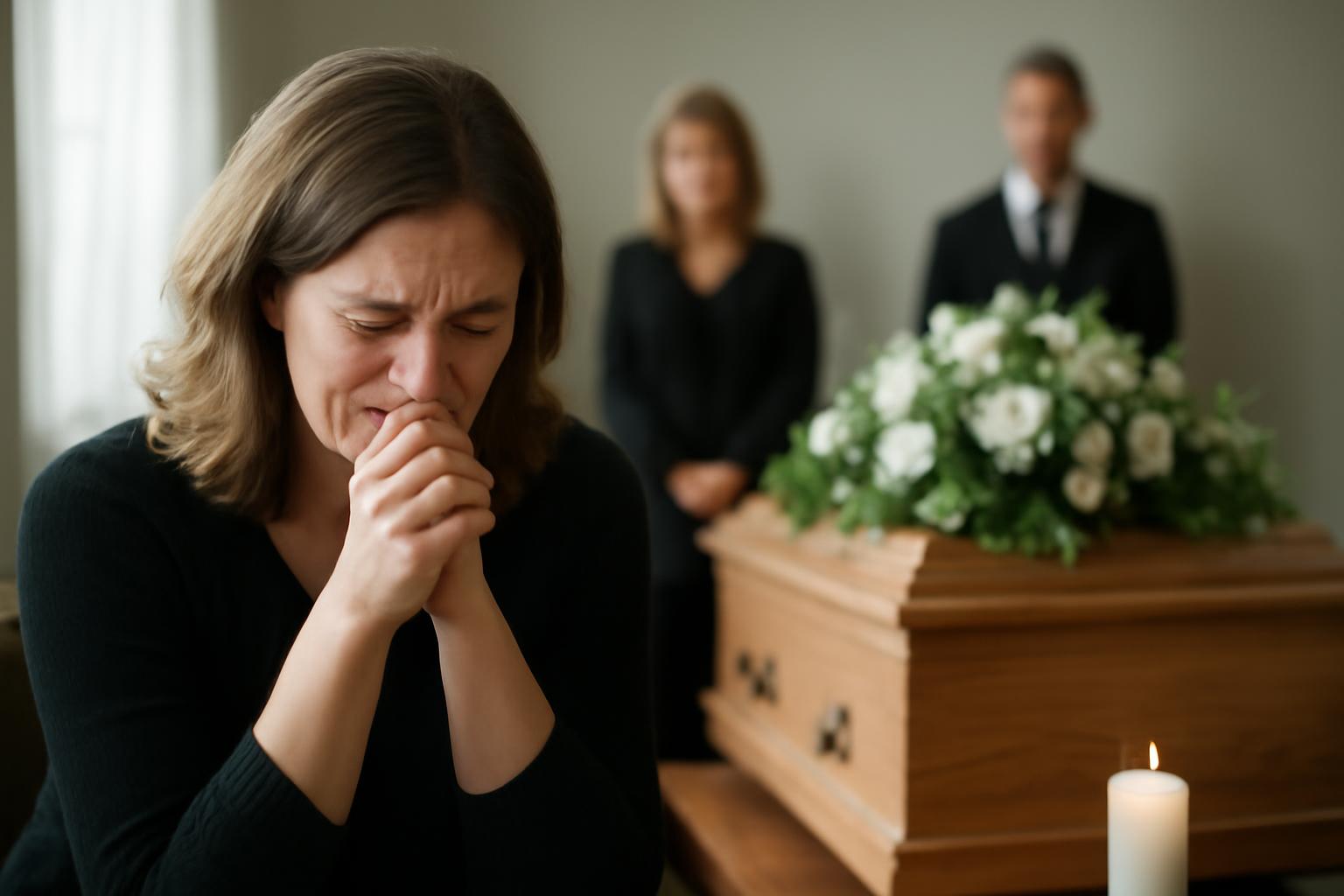
After a loss, families often want more than a schedule and a guest list. They want a service that feels true. They want the room to sound like their person, look like their person, and hold the details that made that life unmistakable.
That is where caring memories matter. In funeral and memorial planning, caring memories are the stories, photos, music, rituals, and keepsakes that help a life feel present again. They do not erase grief. They give grief somewhere loving to go.
The most meaningful tributes are rarely the most elaborate. Across the funeral-provider examples cited here, the same pattern keeps appearing: families are usually comforted most by recognizable details, not by polish. It may be the song everyone expected to hear, the garden gloves by the photo display, the handwritten recipe tucked into the program, or the story that makes people laugh through tears.
If you are planning a funeral, a memorial service, or a small family gathering, the goal is not to create a perfect event. It is to create honest remembrance. That usually means making a handful of clear choices, then letting those choices carry the day.
Understanding Caring Memories in Funeral Planning
When families talk about caring memories after a death, they usually mean the personal details that preserve and share a loved one’s life: favorite photographs, familiar music, stories from friends, symbolic objects, family traditions, and small rituals that help everyone remember together.
That idea is worth separating from memory care, which usually refers to dementia-related support or residential services. The wording can overlap, but the purpose is different. Here, caring memories are about remembrance after loss, not clinical care. In this setting, the focus is legacy, connection, and the emotional reality of mourning.
A useful way to think about it is this: a funeral or memorial is not only about what happened at the end of a life. It is also about what defined that life. That may include personality, habits, values, relationships, humor, faith, work, service, hobbies, or ordinary routines that became precious only in hindsight.
One funeral-home guide makes this point directly: Orlando-Donsante-Previte Funeral Home advises families to reflect on a loved one’s passions, relationships, favorite music, hobbies, and values, and notes that a tribute offers comfort when it feels sincere rather than perfect in form (Orlando-Donsante-Previte Funeral Home’s guide to creating a tribute).
That idea can take pressure off grieving families. You do not need the “right” flowers, the “best” wording, or an impressively produced event. You need a few true things, chosen with care.
In practice, caring memories often grow from simple questions:
- What did people always say about them?
- What objects or places instantly bring them to mind?
- What music feels inseparable from them?
- What stories do relatives keep repeating?
- What qualities do you want children and future generations to remember?
Those questions matter because they shift planning away from generic decisions and toward recognition. A service feels personal when mourners can say, almost immediately, “Yes, that’s them.”
That is also why authenticity matters more than performance. A tribute can be quiet and still be powerful. It can be modest and still feel complete. In many families, the most healing choices are not the biggest ones, but the most accurate ones: a favorite chair displayed near photos, a prayer said the way the person always said it, or a meal served because it was what they made for everyone else.
Reflecting on a Loved One’s Life for Authentic Tributes
The hardest part of creating a tribute is often knowing where to begin. Start smaller than you think. You do not need to summarize an entire life in one sitting. Begin with memory fragments.
Think about the person in layers:
- Passions: What did they love doing?
- People: Who mattered most to them?
- Places: Where did they feel most themselves?
- Patterns: What habits, sayings, or routines defined them?
- Values: What did they stand for?
- Moments: What stories get told again and again?
If several relatives or friends are involved, gather them for a short memory conversation before making service decisions. Ask each person to bring one story, one photo, and one song, quote, or object that reminds them of your loved one. This often reveals themes faster than formal planning does. You may begin to notice that the person’s life keeps coming back to hospitality, discipline, mischief, music, faith, craftsmanship, or service.
That reflection stage is often where the most authentic tribute ideas appear. A family may remember that their mother never missed the first bloom in her garden, which leads to using flowers from home instead of standard arrangements. Someone may recall a grandfather’s weekend fishing trips, which leads to including a favorite tackle box or lake photograph in the display. A brother may remember one song that played at every family cookout, which becomes the natural choice for the closing music.
South Jersey Cremation Company’s tribute-writing guide is especially useful on this point. It suggests starting with vivid, specific details and prompts such as “One lesson I learned from [Name] was…” or “What I’ll miss most is…,” and it recommends a simple structure: introduction, life milestones, stories, impact, and legacy (South Jersey Cremation Company’s tribute-writing guide).
That structure works because it gives your memories a natural flow:
-
Introduction Open with who the person was to you and the tone you want to set.
-
Life milestones Sketch the broad shape of their life: family, work, service, places lived, and major turning points.
-
Personal stories Add the details that bring the person into focus. This is where the tribute becomes real.
-
Impact Name what they gave to others: steadiness, laughter, wisdom, generosity, discipline, welcome.
-
Legacy Close with what remains: a lesson, value, tradition, blessing, or hope.
When grief makes writing hard, it helps to sort memories into two columns: what happened, and what it meant. For example, “he fixed everyone’s broken appliances” is what happened. “He made people feel looked after” is what it meant. “She sent birthday cards every year” is what happened. “She kept people connected” is what it meant. That second column often becomes the emotional core of a eulogy or printed tribute.
A practical way to turn reflection into planning is to match each memory to a service element:
- A favorite phrase becomes the program cover.
- A recurring family story becomes the opening remembrance.
- A hobby becomes the memory-table theme.
- A value becomes the closing reading or prayer.
- A tradition becomes the reception meal or family ritual.
This kind of matching helps families avoid overload. Instead of asking, “What should we do for the whole service?” you ask, “What choice would best carry this one part of who they were?”
It also helps to decide early what kind of tribute you are writing. A eulogy needs voice and emotional movement. A program biography needs clarity and brevity. A memory card or obituary supplement needs a small number of strong details. One reason people get stuck is that they try to make a single paragraph do all three jobs at once.
A good tribute also knows what not to do. It does not need to list every achievement. It does not need to sound literary. It does not need to flatten a complicated person into a perfect one. If your loved one was funny, let the tribute be funny. If they were quiet, let the tribute be gentle. If the family is heavily grieving, brevity may be kinder than eloquence.
Authenticity is not just a style preference. It is what allows everyone else in the room to recognize the person being honored.
Personal Touches: Photos, Displays, and Keepsakes
Visual details often carry memory faster than words. People may enter a room, see one familiar object, and immediately feel that the service belongs to the person they lost.
Indiana Funeral Care’s planning article points to the kinds of elements families often use for this: photo displays, memory boards, hobby-related memorabilia, flowers from a home garden, fishing gear, memory jars, engraved keepsakes, and digital memorials (Indiana Funeral Care’s funeral service ideas).
The most effective displays are usually curated, not crowded. Instead of placing out everything you own, choose a few objects that tell a clear story. For example:
- A baker’s rolling pin, recipe card, and apron
- A veteran’s cap, medals, and a photograph in uniform
- Gardening gloves, seed packets, and a vase of homegrown flowers
- A fishing rod, tackle box, and framed lake snapshot
- Sheet music, concert ticket stubs, or a favorite record
- A prayer book, rosary, or cultural cloth
- Tools, sketchbooks, quilting squares, or handwritten notes
Grouping matters as much as the objects themselves. A table labeled “At Home,” “With Family,” “In the Garden,” or “Sunday Afternoons” usually feels more intimate than a miscellaneous arrangement. The display begins to tell a story instead of simply showing possessions.
Photos deserve the same care. Mix life stages instead of showing only recent images. Include candid pictures, not just formal portraits. Think about variety: family photos, work photos, holiday photos, hobby photos, and the sort of ordinary snapshots that capture a person’s posture, smile, or habits. For many services, a shorter slideshow with stronger image choices is easier for guests to take in than a very long sequence they cannot absorb.
If time is short, use a simple selection method:
- 5 photos that show different life stages
- 5 photos with family
- 5 photos with friends or community
- 5 photos tied to interests or work
- 5 photos that simply feel unmistakably like them
That gives you a balanced base of 25 images without having to sort every album in the house.
Memory jars, message cards, or a guest memory board can also turn attendees into participants. Instead of asking only for signatures, invite people to answer one prompt: “A lesson I learned from them was…,” “I always think of them when…,” or “I will never forget….” Written memories gathered this way often become one of the family’s most valuable keepsakes after the service.
For lasting remembrance, consider one take-home object rather than many small favors. That might be a memorial card with a favorite quote, a bookmark, a seed packet, a recipe card, a prayer card, or a digital album link shared later with the family. The point is not merchandise. It is continuity.
When choosing visual elements, a useful test is: would someone who knew this person well smile and say, “Yes, that’s them”? If the answer is yes, the element is probably doing its job.
Music, Readings, and Storytelling for Emotional Connection
If visual elements help people recognize a life, music and stories help them feel it.
Mothe Funeral Homes’ article on personalizing a tribute emphasizes music, storytelling, photo displays, and cultural or spiritual traditions as ways to create intimacy and shared reflection during a service (Mothe Funeral Homes’ article on personalizing a tribute).
Choose music for meaning, not just mood. A traditional hymn may be right for one family, while another may want jazz, folk, country, a favorite love song, or the track that always played on road trips. The best choice is often the one that makes people say, “Of course that would be playing.”
If live music is possible, even one simple performance can change the atmosphere of the room. If it is not possible, a recorded selection can still work beautifully. What matters most is that the music belongs to the person or the family’s way of grieving, not that it sounds formally ceremonial.
The same is true for readings. Scripture, a poem, a letter, a short passage from a book, or a family-written reflection can all work. The main question is whether the reading sounds true to the life being honored. A beautiful text that feels disconnected from the person may impress people less than a brief passage that clearly reflects their character, faith, humor, or hopes.
Storytelling matters just as much as music. Small stories are often more moving than a résumé. Not the list of accomplishments, but the moment. The phrase they always said. The way they whistled while working. The extra chair they pulled up for unexpected guests. The way she labeled every holiday cookie tin. These details do more than decorate a tribute; they give other mourners permission to remember in their own concrete way.
If you want guests to share stories, make it easy. Open-ended invitations like “Anyone can speak” sometimes lead to silence because people are unsure of expectations. Instead, try one of these approaches:
- Ask two to four people in advance to share short memories.
- Place a memory book near the entrance for written stories.
- Have a host or celebrant invite one-minute memories.
- Use prompts at tables during a reception.
- Pause during a slideshow for one or two comments from family.
- Save open sharing for a smaller gathering after the formal service.
Planning the rhythm of the ceremony can help too. One practical pattern is:
- Opening music or welcome
- Reading, prayer, or moment of silence
- One prepared tribute
- Musical pause or slideshow
- One or two additional stories
- Closing blessing, thanks, or farewell song
That rhythm alternates between listening and feeling, between structure and openness. It also protects mourners from a service that becomes either emotionally rushed or so unscripted that no one knows what comes next.
Cultural and spiritual traditions can deepen meaning when used intentionally. For some families, that means prayers, incense, recitations, candle lighting, singing, processions, or ritual foods. For others, it means a secular ritual: sharing a toast, ringing a bell, planting something, or reading messages aloud. Tradition is helpful when it carries genuine significance, not when it is added only because the family feels they “should.”
Designing Memorial Service Programs as Lasting Keepsakes
A memorial service program has two jobs. It guides people through the ceremony, and it becomes something they may keep long after the day is over.
Panebaker Funeral Home’s memorial-program guide recommends these core elements: a cover page with a photo, full name, and birth and death dates; the order of service; an obituary or life story; photos or quotes; the names of participants; and a closing message (Panebaker Funeral Home’s memorial service program guide).
That basic structure works for almost any kind of service. From there, personalization makes it memorable.
Consider adding:
- A favorite saying or scripture on the cover
- Colors associated with the person’s style, school, team, culture, or home
- A short handwritten note reproduced from a card or recipe
- Lyrics, a poem excerpt, or a meaningful quote
- A timeline of important life moments
- A collage of family snapshots
- A final thank-you note from the family
Good design is less about decoration than readability. Use fonts people can easily read in low light. Leave enough white space that the page does not feel cramped. Keep the order of service simple enough that attendees can follow along without hunting for their place. Proofread names, dates, and titles carefully, especially if several relatives are submitting content.
It helps to decide early whether the program is mainly ceremonial, archival, or both. A ceremonial program can stay brief and focus on the service flow. An archival keepsake may include a fuller life sketch, more photos, or a timeline. Knowing which job matters most to your family prevents the program from becoming overloaded.
If remote attendance is possible, think beyond paper. A digital PDF version lets distant relatives follow along live or keep the material afterward. It also gives you a place to include extra photos or text that would make a printed version too long or expensive.
A simple production checklist can prevent last-minute stress:
- Confirm the final order of service first.
- Assign one person to gather text.
- Assign another to verify names and dates.
- Print a proof copy before approving the full run.
- Order extra copies for extended family and keepsake boxes.
- Save a digital master file for anniversaries and later sharing.
When families treat the memorial program as a keepsake instead of a formality, it often becomes one of the most durable objects from the day. Someone may tuck it into a Bible, a photo box, a scrapbook, or a bedside drawer. Years later, it can still bring a loved one back into view.
Planning Intimate Small Family Memorials
Not every meaningful memorial needs a chapel, a lectern, or a full guest list. For many families, a smaller gathering creates more room for honesty.
French Funerals & Cremations describes small family memorials as gatherings that often work best in comfortable settings such as a home, backyard, or peaceful outdoor location, with memory books, keepsakes, music, traditions, shared meals, and gentle ways for children to participate (French Funerals & Cremations’ guide to small memorials).
That flexibility is one of the biggest strengths of intimate gatherings. People can linger. Conversations can deepen. Silence is less awkward. Laughter feels more natural. The day can feel less like an event being managed and more like the family being itself.
A simple format is often enough:
- Welcome everyone and name why you gathered.
- Share a song, prayer, reading, or moment of silence.
- Invite a few planned memories.
- Pass around photos or keepsakes.
- Eat together.
- Leave time for unplanned conversation.
The setting should support the kind of remembrance you want. A kitchen table may work beautifully if the person loved hosting. A backyard may fit someone whose life centered on family barbecues or gardening. A park shelter, lake spot, beach access point, or family property may feel right if place mattered deeply to them.
Smaller gatherings also make it easier to build the memorial around activity instead of audience attention. You might sort photos together, cook a favorite meal, play a family playlist, read old letters aloud, or invite everyone to choose one object from the memory table and explain why it belongs there. These are often more natural than a sequence of formal speeches.
Children can be included without pressure. They might draw pictures, decorate a memory page, place flowers, choose a song, light a battery candle, or help hand out cards. Giving them a concrete role often helps them participate without forcing verbal expression.
Food can be a meaningful part of the tribute too. A shared meal slows the pace, gives people something practical to do, and often opens the door to storytelling. If the loved one had a signature dish, favorite dessert, or holiday tradition, including it can make the gathering feel especially grounded.
One caution: small does not always mean easy. Sometimes intimacy brings up more emotion, not less. That is okay. Build in breaks, private space, tissues, water, and permission for people to step away. If family dynamics are strained, consider asking one trusted person to quietly manage timing, transitions, and sensitive moments.
A few simple assignments can help the day feel held without becoming rigid:
- One person welcomes and opens the gathering.
- One person handles music or tech.
- One person watches food and seating.
- One person supports children or older relatives.
- One person gathers written memories and photos afterward.
That level of structure is often enough. It keeps the memorial from becoming chaotic while still protecting the warmth that makes small gatherings meaningful.
Preserving Family Memories Before and After Loss
Caring memories do not have to start after death. In many families, the strongest memorials come from stories and materials gathered beforehand.
Caring Village’s overview of memory keeping recommends starting with older relatives: talk with them, take notes during ordinary conversation, identify where photos and documents are kept, organize contacts, digitize old material, and notice which family member already knows where the archives and stories live (Caring Village’s memory-keeping overview).
This kind of preparation has two benefits. First, it preserves details that might otherwise disappear. Second, it makes later tribute planning much easier because the family is not searching for everything in the middle of acute grief.
Useful pre-loss steps include:
- Record short audio interviews with parents, grandparents, aunts, and uncles.
- Scan labeled photographs while someone can still identify the people in them.
- Save voicemails, letters, recipes, and holiday cards.
- Create folders by family branch or theme.
- Ask each relative for one story they most want passed down.
- Note favorite songs, books, sayings, recipes, and traditions.
The simplest interviews are often the best. Instead of asking for a full life history, ask narrower questions: What did your mother always cook? What family phrase do you still hear in your head? Who kept the peace? What was your first home like? What did holidays feel like? These questions tend to produce stories, not just dates.
It helps to decide on a basic system before you collect too much. Some families prefer physical boxes and binders. Others want cloud folders, photo albums, shared documents, or a private family group. The right system is the one your family will actually use.
After a loss, memory keeping can continue in forms that fit your family’s style. Some families prefer scrapbooks and boxes. Others make photo books, digital albums, blogs, annual remembrance letters, or recorded story collections. Caring Village also points to tools such as the free FamilySearch Memories app for collecting and sharing photos, stories, and audio within a family memory project.
A practical post-loss workflow might look like this:
- Gather photos from relatives within two weeks.
- Save digital files in one shared folder.
- Label people, places, and approximate dates while memories are fresh.
- Type up stories collected from memory cards or guest books.
- Save a digital copy of the memorial program and obituary.
- Choose one person to maintain the archive.
That last point matters. A family archive often survives when one person acts as the memory keeper, even if everyone contributes material. Without that role, stories and files are more likely to remain scattered across phones, drawers, and inboxes.
The benefits are both practical and emotional. Memory keeping can help children know people they barely remember. It can preserve family context that obituaries cannot hold. It can support anniversaries and future gatherings. And for many people, the act of sorting, labeling, and retelling becomes part of grief itself: a steady, hands-on way of saying, this life mattered, and we are not letting it disappear.
Practical Considerations and Funeral Home Guidance
Personalization is meaningful, but families also need clear logistics. Going Home Cremation & Funeral Care describes funeral-home support that may include memory tables, candle-lighting, video tributes, multimedia, and, in some cases, live-streamed services for people who cannot attend in person (Going Home Cremation & Funeral Care’s tribute-planning article).
When discussing those options with a provider, ask for specifics rather than broad assurances. What is included? Who sets up displays? Can you bring your own items? Is there a slideshow limit? Can you test audio beforehand? Will remote guests receive a link? Can music be played from your own playlist? Can printed materials be supplied by an outside designer or printer? “Personalization” can mean very different things from one funeral home to another.
If you want broader context before those conversations, Mortuary Guide’s funeral-planning overview can help families prepare questions about services, timing, attire, and other practical decisions.
It can also help to separate what must happen immediately from what can happen later. Families comparing disposition choices may find that a memorial does not have to follow the same timeline as body care. Mortuary Guide’s Cremation vs. Burial: A Practical Comparison notes that direct cremation does not prevent a memorial service at any later time or location chosen by the family.
On the pricing side, families in the United States should know that the Federal Trade Commission’s Funeral Rule requires licensed funeral homes to provide a written General Price List on request. Mortuary Guide explains that the basic services fee is generally the main non-declinable charge; it gives a rough national median of about $2,300, with reported ranges from $1,400 to $4,000+ depending on market, and says embalming is usually optional and commonly runs about $700 to $1,000 (Mortuary Guide’s overview of funeral home pricing and the Funeral Rule).
The same overview says families may often decline embalming, visitation, funeral-home ceremony, and transportation beyond what is necessary, while comparing General Price Lists from multiple homes can reveal cost spreads of $3,000 to $5,000 in some markets. That does not mean every lower-cost option is better, but it does mean you can ask direct questions without apologizing for them.
A practical comparison process looks like this:
- Request the General Price List from each funeral home you are considering.
- Ask what is included in the basic services fee.
- Separate body-care costs from ceremony costs.
- Ask which items are optional.
- Ask whether outside caskets, printed programs, celebrants, or caterers are allowed.
- Compare equivalent services line by line, not just package totals.
This is especially useful when grief makes families vulnerable to buying speed instead of clarity. A loving tribute does not require purchasing every option offered. In many cases, the most personal choices cost little: using your own photos, selecting meaningful music, writing the tribute yourself, or hosting the meal elsewhere.
It is equally important to remember the limits of general guidance. Mortuary Guide states that its material is for general information only, is not a substitute for advice from a licensed funeral director, attorney, or estate professional, and that laws and costs vary by state and locality (Mortuary Guide’s terms and important notice).
So use ideas like these as a starting point, not a script. Local rules, religious requirements, budget realities, timing, and family dynamics all affect what is possible. A funeral director, celebrant, clergy member, or estate professional can help you adapt the plan to your actual situation.
Creating caring memories does not mean doing everything. It means choosing the elements that tell the truth of a life. A few genuine choices can create lasting comfort: one honest story, one beloved song, one object placed with care, one program tucked into a drawer and saved for years. If the service helps people recognize the person they loved and feel connected to one another, it has done something important.
How do I write a loving tribute using personal memories?
Start with a few specific memories instead of trying to summarize everything. Think about one lesson the person taught you, one habit everyone remembers, one story that captures their character, and one way they affected others. Then shape those memories into a simple order: introduction, life milestones, personal stories, impact, and legacy. If you feel stuck, prompts such as “One lesson I learned from [Name] was…” or “What I’ll miss most is…” can help.
What personal elements make a funeral tribute authentic?
Authentic tributes usually include details that people immediately associate with the loved one: photos, favorite music, familiar objects, readings, sayings, hobbies, and stories from everyday life. A gardener’s flowers, a fisherman’s gear, a handwritten recipe, or a well-loved book can often say more than something formal but generic.
What are key elements of a memorial service program?
A strong memorial program typically includes a cover page with a photo, name, and dates; the order of service; a short obituary or life story; photos or quotes; the names of speakers or participants; and a closing message. Clear design, readable fonts, and careful proofreading help turn it into a keepsake rather than just a handout.
How to encourage storytelling in small family memorials?
Create simple, low-pressure invitations to share. Ask a few people in advance to tell short stories, set out a memory book, pass around favorite photos, or use one prompt at the table such as “What do you always remember about them?” Comfortable settings and flexible pacing usually make storytelling feel more natural than formal open-mic moments.
Where to start family memory keeping?
Begin with conversations. Ask older relatives what they remember, what they want passed down, and where photos or documents are stored. Take notes, organize contacts, scan labeled pictures, and decide who will act as the family memory keeper. From there, build a simple system, whether that is a scrapbook, shared folder, digital album, or memory app.