
17 min read ·
What It Means to Honor Someone With a Celebration of Life
It can be quiet and reflective, formal and carefully structured, relaxed and conversational, or a mixture of these approaches.
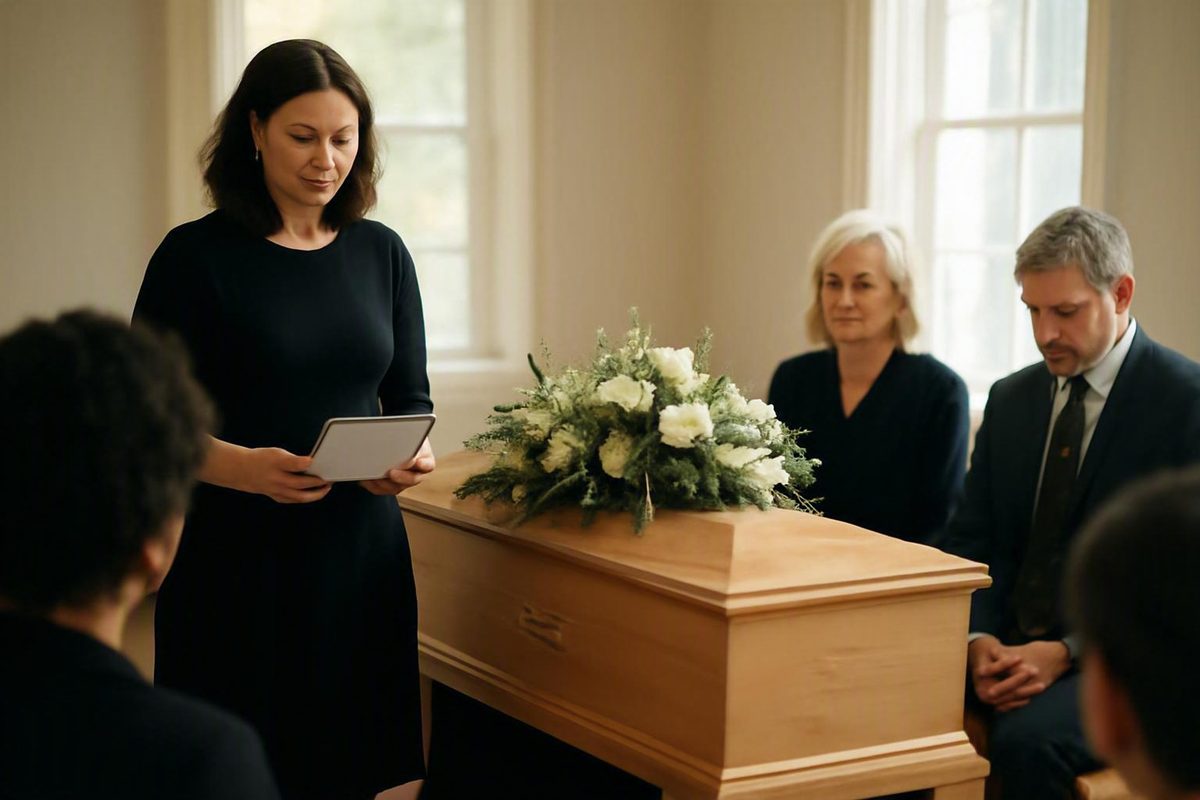
What Is a Celebration of Life?
A celebration of life is a gathering or ceremony held to honor and remember a person who has died. It focuses on the person’s life—who they were, the relationships they formed, what they valued, the experiences that shaped them, and the effect they had on others.
Short answer: A celebration of life is a personalized gathering that honors and remembers someone who has died by focusing on the person’s life, relationships, interests, values, and legacy.
Personalization is the central idea. The gathering might reflect the person’s character, interests, work, beliefs, accomplishments, humor, favorite places, family life, friendships, or everyday habits. A tribute to a devoted gardener will naturally look different from one honoring a teacher, musician, parent, athlete, volunteer, or quiet friend.
The word “celebration” describes an approach to remembrance, not an emotional instruction. It does not mean everyone must be happy, that the death should be treated lightly, or that the occasion must resemble a party. Grief remains fully compatible with the gathering. Tears, laughter, gratitude, sadness, stories, silence, and solemn reflection may all occur in the same room—and sometimes within the same conversation.
Families and funeral providers use the term in different ways. Some apply it to a relaxed gathering held separately from a funeral. Others use it for a structured memorial service or for the personalized portion of a funeral. Randall & Roberts Funeral Home, for example, describes a celebration of life as the personal or individual aspect of a funeral service.
Terminology and customs vary among families, cultures, religions, regions, and service providers. “Celebration of life” is therefore best understood as a practical description of a personalized form of remembrance, not as a label with one universally accepted meaning.
What Defines the Gathering—and What Does Not
What defines a celebration of life is personal remembrance centered on the person who died. Everything else is a choice.
Food, themed decorations, an open microphone, favorite music, photographs, videos, memory tables, and activities connected to the person’s interests can support that purpose, but none is required. A gathering does not stop being a celebration of life because it has no catering, décor, slideshow, or formal entertainment. A few people sharing memories around a kitchen table may fit the description just as well as a large, professionally organized event.
There is no mandatory:
- Order of service
- Dress code
- Venue
- Level of formality
- Emotional tone
- Religious position
- Type of music or reading
- Requirement for guests to speak
- Requirement to serve food
- Theme or decorative style
A celebration can be quiet and reflective, formal and carefully structured, relaxed and conversational, or a mixture of these approaches. One family might arrange an hour of readings, prayer, music, and prepared remarks before an informal meal. Another might invite guests to view photographs and share memories without holding a ceremony at all.
Calling the event a celebration also does not require rejecting familiar funeral elements. Eulogies, prayers, scripture, poems, rituals, formal readings, moments of silence, and clergy leadership can all be retained. Peel Funeral Home’s planning guidance, for example, describes celebrations of life as potentially formal or informal and religious, spiritual, or secular.
It is equally important to avoid a false contrast. Traditional funerals are not necessarily impersonal, rigid, or devoid of affectionate stories; many are highly personalized. Likewise, a celebration of life is not necessarily joyful, casual, colorful, or party-like.
No guest should feel pressure to suppress sadness or perform cheerfulness. Some people may laugh while telling a characteristic story; others may cry while hearing it. Some will want to speak, while others will participate through attentive silence. All can be valid forms of remembrance.
Celebration of Life vs. Funeral vs. Memorial Service
The differences among a celebration of life, funeral, and memorial service are best treated as common tendencies rather than universal definitions. Families and providers may use the labels differently, and individual services often combine features from more than one category.
| Point of comparison | Celebration of life | Funeral | Memorial service |
|---|---|---|---|
| Primary emphasis | The person’s story, character, relationships, interests, values, and legacy | Honoring the deceased through family, religious, cultural, or ceremonial practices, often with personal elements | Remembering and honoring the deceased through a commemorative service |
| Typical structure | Often flexible; may be ceremonial, conversational, or reception-like | Often follows an established order, although it can be customized | May follow an order of service or use a flexible format |
| Formality | Can be informal or formal; often described as less formal | Commonly more formal, but not necessarily | Varies from formal to informal |
| Timing | May occur with other observances or separately at a convenient time | Commonly coordinated with disposition and related observances | Often held separately, but timing varies |
| Venue | Home, funeral home, place of worship, restaurant, community space, outdoors, or another suitable location | Funeral home, place of worship, cemetery, crematorium, or another ceremonial setting | Place of worship, funeral home, community venue, home, or elsewhere |
| Religious content | Religious, spiritual, secular, or blended | Often connected to religious or cultural traditions, but may be secular | May include religious content or be secular |
| Personalization | Usually an explicit organizing principle | Can also be highly personalized | Often personalized through readings, music, eulogies, and displays |
| Relationship to burial or cremation | May accompany, precede, follow, or remain separate from disposition arrangements | Often coordinated with burial or cremation | Frequently separate from disposition, but no single rule applies |
A funeral is commonly more connected to established religious, cultural, or ceremonial practices. Depending on the family’s arrangements, it may include a visitation, formal service, procession, committal, burial, cremation, or reception. A funeral can still focus closely on the person’s individuality through music, photographs, eulogies, readings, meaningful objects, and stories.
A celebration of life often allows greater structural flexibility and places more explicit emphasis on the person’s experiences and relationships. Instead of beginning with the question, “What does this kind of service traditionally include?” planning may begin with, “What should people remember about this person, and what form would best express it?”
The line between a memorial service and a celebration of life is particularly fluid. Some families use the terms interchangeably. Others call a gathering a memorial service when it has a formal order and a celebration of life when it is more personalized or reception-like. Westchester Funeral Home’s comparison is one example of how providers may distinguish the categories while also recognizing their overlap.
A celebration of life can:
- Replace a funeral
- Accompany a funeral
- Form the personalized portion of a funeral
- Follow a funeral or committal
- Be held as a separate memorial gathering
The presence or absence of a body, coffin, urn, or cremated remains should not be used as a universal test for the label. Some providers use body presence to distinguish a funeral from a memorial service, but terminology and family arrangements vary too widely for that distinction to define every celebration of life.
Readers seeking a more detailed side-by-side analysis can consult Mortuary Guide’s article, “Celebration of Life vs. Funeral: What Is the Difference?”.
When and Where a Celebration of Life Can Be Held
Timing is flexible. There is no universally required planning window or ideal interval after a death.
A celebration may form part of funeral observances, take place around the time of burial or cremation, or be scheduled separately. It could occur days or weeks later—or later still—when important relatives and friends can attend. Religious obligations, travel, venue availability, family needs, and disposition arrangements may all influence the date.
Some funeral and cremation providers describe celebrations of life as commonly occurring after burial or cremation because separate scheduling can allow more time for planning. That is a common arrangement, not a requirement. Funeral Partners, for example, notes that a celebration may form part of a funeral or be held separately on another day.
Depending on the family’s plans, a body, coffin, urn, or no remains may be present. That decision can be affected by timing, religious or cultural practice, the form of disposition, transportation, and personal preference. Presence or absence alone does not determine whether the gathering is a celebration of life.
Possible venues include:
- A family home or backyard
- A funeral home or cemetery reception space
- A place of worship
- A restaurant or private dining room
- A community hall
- A park, garden, beach, or other outdoor space
- A club, workplace, school, studio, or sports venue
- Another accessible location with personal meaning
A meaningful venue can strengthen the tribute, but practicality matters. Before confirming a location, consider:
- Guest count: Is there sufficient seating, parking, and room to move comfortably?
- Accessibility: Can guests with mobility, hearing, vision, or other access needs participate?
- Weather: Is there shelter or a backup plan for an outdoor gathering?
- Privacy: Will the setting support personal remarks and emotional conversations?
- Travel: Can close relatives, friends, and intended speakers reasonably attend?
- Venue rules: Are food, alcohol, amplified music, candles, displays, filming, or planned activities permitted?
- Religious requirements: Does the setting accommodate any necessary rites or leadership?
- Program suitability: Can guests see speakers, hear music, view a video, or gather for the intended activities?
Attendance can be open to a wider community or limited to invited relatives and friends. Neither model is inherently more appropriate. Organizers should communicate clearly whether the gathering is public, whether an RSVP is needed, and whether guests may bring additional people.
There is also no reliable standard duration that applies to every celebration of life. Its length should follow the program, venue, family preferences, and guests’ needs rather than an assumed rule.
What Usually Happens at a Celebration of Life
There is no required order of service. Even so, a simple program can help guests understand what will happen and help speakers, musicians, or readers know when they are expected to participate.
An optional program might follow this sequence:
- Welcome: The leader thanks guests for attending and briefly explains the gathering.
- Opening reading or music: A song, poem, prayer, scripture passage, or moment of silence establishes the tone.
- Brief life story: A relative, friend, clergy member, or celebrant offers an overview of the person’s life and character.
- Invited memories: Selected speakers share eulogies, stories, or reflections.
- Photo or video tribute: Guests view images or recordings from different parts of the person’s life.
- Reflective or participatory element: Guests write memories, contribute to a memory book, light candles where permitted, or join in another suitable activity.
- Closing words: The leader offers thanks, a final reading, a prayer, or practical information.
- Informal food and conversation: Guests remain to talk, eat, view displays, or offer condolences.
This is only a model. A family may omit any step, rearrange the sequence, or have no formal ceremony.
Common optional elements include:
- Eulogies and personal stories
- Favorite songs or live music
- Photographs and tribute videos
- Letters, poems, literary readings, or scripture
- Prayers or moments of silence
- Keepsakes and personal belongings
- Written memories or a guest book
- Toasts
- A shared meal or favorite food
- A memory table
- Activities connected to the person’s hobbies or interests
The gathering may be led by clergy, a celebrant, a relative, a friend, or another person selected by the family. The leader does not have to dominate the program. Their practical role may simply be to welcome guests, introduce participants, keep the event moving, and provide a clear closing.
Choose speakers who knew the person well and can offer something meaningful. Different speakers might represent childhood, family life, friendship, work, faith, or community service. Giving each person an approximate time limit can reduce repetition and make room for more voices. Neil Bardal Funeral Centre’s planning guidance similarly recommends considering each speaker’s relationship with the deceased and what that person can contribute.
The format can vary substantially:
- A quiet home gathering: Close relatives and friends meet in a living room or backyard. Photographs are displayed, the person’s favorite food is served, and guests share memories as they feel able.
- A structured religious service: Clergy lead prayer, readings, and music. Prepared speakers offer personal stories, and the gathering closes with a blessing or formal reflection.
- A community or outdoor gathering: A larger group meets in a community hall or meaningful outdoor setting. Guests watch a tribute video, hear short remarks, and then share memories informally.
An elaborate theme, catered meal, entertainment, or professional planning service is not necessary. Those options may be helpful or appropriate, but they do not define the gathering. Authenticity matters more than scale.
Religious, Spiritual, Secular, and Cultural Choices
A celebration of life may be religious, spiritual, secular, or a blend of these approaches.
Families can include clergy, prayer, scripture, spiritual music, cultural rites, formal readings, or established rituals while also emphasizing the person’s individual story. A religious service does not become less personal because it follows tradition, and a personalized celebration does not have to reject religion.
For example, a family might hold a service with traditional prayers and a committal, followed by a reception featuring photographs, favorite music, food, and personal stories. The first portion may honor religious or cultural obligations; the second creates room for informal remembrance. Together, they can form one coherent observance.
Another family may choose a secular ceremony led by a celebrant or friend, using poetry, music, a biography, and shared memories. Someone who held personal spiritual beliefs without belonging to a formal institution might be honored through reflective readings, silence, nature, or music meaningful to them.
The deceased’s known wishes should guide these choices where possible. Family instructions and relevant cultural or religious customs should also take priority over generalized internet etiquette. If the person left written plans, selected readings, named a faith community, or expressed preferences about ritual, those directions can provide a useful starting point.
When formal rites must be coordinated with personalized elements, consider consulting an appropriate clergy member, cultural leader, celebrant, or licensed funeral director. This is practical guidance rather than a requirement. Such a person may be able to explain which parts of a tradition are fixed, which can be adapted, and how separate gatherings can work together.
Avoid assuming that one family’s religious or cultural practice applies to another. If you are attending as a guest and are uncertain, follow the invitation and take cues from the organizers rather than relying on the event’s label.
Celebration of Life Etiquette for Guests
The governing principle is simple: follow the invitation, the organizer’s instructions, and any relevant religious or cultural customs.
Attire may be formal, subdued, casual, colorful, or themed. There is no universal celebration-of-life dress code. An invitation might ask guests to wear the person’s favorite color, team clothing, garden attire, or traditional mourning clothes. If it does, follow the request as closely as reasonably possible.
When no dress guidance is given, choose respectful, venue-appropriate clothing. That does not always mean black, but it also does not mean bright colors or casual clothes are automatically expected. Clothing suitable for a place of worship may differ from clothing appropriate for a beach, restaurant, backyard, or community hall.
An invitation or announcement may state:
- Date, time, and location
- Whether the gathering is public or private
- Dress guidance
- RSVP details
- Parking or accessibility information
- Whether children are included
- Requests for photographs or written memories
- Whether food will be served
- Any preference concerning flowers, donations, or gifts
Guests generally should not assume they must bring food, flowers, a gift, or an object for a display. Bring something when the invitation requests it or when the organizer confirms that it would be appropriate. Funeral Partners likewise advises that guests are usually not expected to bring anything unless the family specifies otherwise.
When speaking with the family, simple and sincere language is usually enough:
- “I’m so sorry for your loss.”
- “I will always remember how welcoming she was.”
- “He helped me when I was new at work, and I have never forgotten it.”
- “Thank you for letting me be here to remember them with you.”
- “I loved the story about your father’s camping trips. It sounded exactly like him.”
A specific, kind memory can be especially meaningful, but avoid pressuring the family to sustain a long conversation. They may be greeting many people or feeling emotionally exhausted.
If you are invited to speak publicly, ask whether there is a time limit and what tone the family wants. Keep your remarks focused on the person being remembered. A brief story with a clear point is usually more effective than a long biography. Avoid private disclosures, unresolved grievances, humor that may embarrass others, or stories that require extensive explanation.
Listening quietly is also valid. Guests do not have to approach the microphone, contribute a story, laugh at every humorous memory, or display a particular emotion. Respectful presence is participation.
A Simple Planning Framework for Families
Begin with purpose. Ask: What do we want people to remember about this person when they leave? The answer might concern their generosity, humor, faith, creativity, family devotion, resilience, friendships, work, or love of a particular place or activity.
Then use a straightforward decision sequence:
- Determine the guest group and budget. Decide whether the gathering will be intimate, invitation-only, or open to a larger community.
- Choose the timing and venue. Check important guests’ travel constraints before fixing the date.
- Select a leader. This may be clergy, a celebrant, a funeral professional, a relative, or a friend.
- Invite speakers. Choose people who can represent meaningful relationships or stages of the person’s life.
- Decide on religious or cultural elements. Confirm any formal requirements early.
- Choose personal details. Select music, readings, images, food, keepsakes, or activities that genuinely reflect the person.
- Communicate expectations. Tell guests what to wear, bring, prepare, or expect—and whether they need to RSVP.
- Create a simple program. Even a short outline helps participants coordinate and gives the gathering a beginning and an ending.
Expected attendance affects more than room size. It influences timing, seating, parking, food, accessibility, sound equipment, invitation methods, and whether open memory sharing will be manageable. Check travel constraints with close relatives and intended speakers before committing to a date; Neil Bardal Funeral Centre’s checklist connects guest numbers and travel considerations with decisions about timing, location, and format.
Choose a few authentic details rather than trying to include every tribute idea. Three carefully chosen songs, a small selection of photographs, and two strong stories may convey more than a crowded program.
Cost depends on choices such as venue rental, catering, staffing, flowers, décor, audiovisual equipment, printing, transportation, and disposition arrangements. The label “celebration of life” does not make an event inherently inexpensive: a home gathering may be modest, while a large catered event at a hired venue may cost considerably more. Planning guidance should therefore treat cost as the result of the family’s specific choices, not as an automatic advantage of the format. Bollman’s Tribute Center discusses these individual planning and cost considerations.
A useful final check is to separate essentials from options.
Essentials
- Purpose
- People
- Place
- Clear communication
Optional elements
- Theme or special dress
- Video tribute
- Catering
- Printed program
- Decorations
- Organized activities
- Professional planning or event staff
The aim is not to assemble every possible feature. It is to create a respectful setting in which people can remember the person honestly and support one another.
Frequently Asked Questions
Is a celebration of life the same as a memorial service?
It can be. The terms often overlap and may be used interchangeably, especially when both describe a gathering held to remember someone who has died.
Some families or providers use “memorial service” for a more structured ceremony and “celebration of life” for a more personalized or informal event. Others make no distinction. These are tendencies rather than universal definitions, so the invitation or family’s description is more informative than the label alone.
Does a celebration of life have to be cheerful or informal?
No. It may be cheerful in places, but it can also be solemn, formal, religious, reflective, or emotionally mixed. “Celebration” refers to honoring the life that was lived; it does not require guests to feel or act happy.
A structured gathering with prayer, formal readings, eulogies, and moments of silence can still be a celebration of life. So can an informal meal with stories and photographs.
Can a celebration of life be held before or after burial or cremation?
Yes. It can be incorporated into observances around burial or cremation, held beforehand depending on the family’s arrangements, or scheduled separately afterward.
Some providers describe celebrations of life as commonly taking place after burial or cremation because separate scheduling allows additional planning time. That is a common pattern, not a defining rule. Timing should reflect the family’s needs, relevant traditions, travel, venue availability, and disposition plans.
Can a celebration of life be private or invitation-only?
Yes. Attendance may be restricted to invited relatives and friends, or the gathering may be announced more broadly. The family can choose the approach that best suits the person, venue, circumstances, and desired degree of privacy.
If attendance is limited, invitations should make that clear. Guests should not assume they may bring another person unless the organizer has indicated that they can.
Can prayer or other religious traditions be included?
Yes. A celebration of life can include prayer, clergy, scripture, spiritual music, a committal, formal readings, cultural rites, or other traditions. It can also be entirely secular or combine religious and nonreligious elements.
The most appropriate choices are those that reflect the person’s known wishes while respecting the family and those attending.
A Flexible Way to Remember a Life
A celebration of life is best understood as a flexible way of honoring a person, not a rigid category with mandatory customs. Families can choose a tone, setting, structure, and mix of personal, cultural, or religious elements that reflect the person who died.
For guests, attentive presence, considerate words, and respect for the family’s instructions matter more than following an imagined set of rules. Grief and celebration are not opposites here: both can be part of remembering a life honestly.