
26 min read ·
How to Choose a Meaningful Place to Gather and Remember
The right choice comfortably accommodates expected guests, supports the tribute, meets accessibility needs, fits the all-in budget and provides enough help.
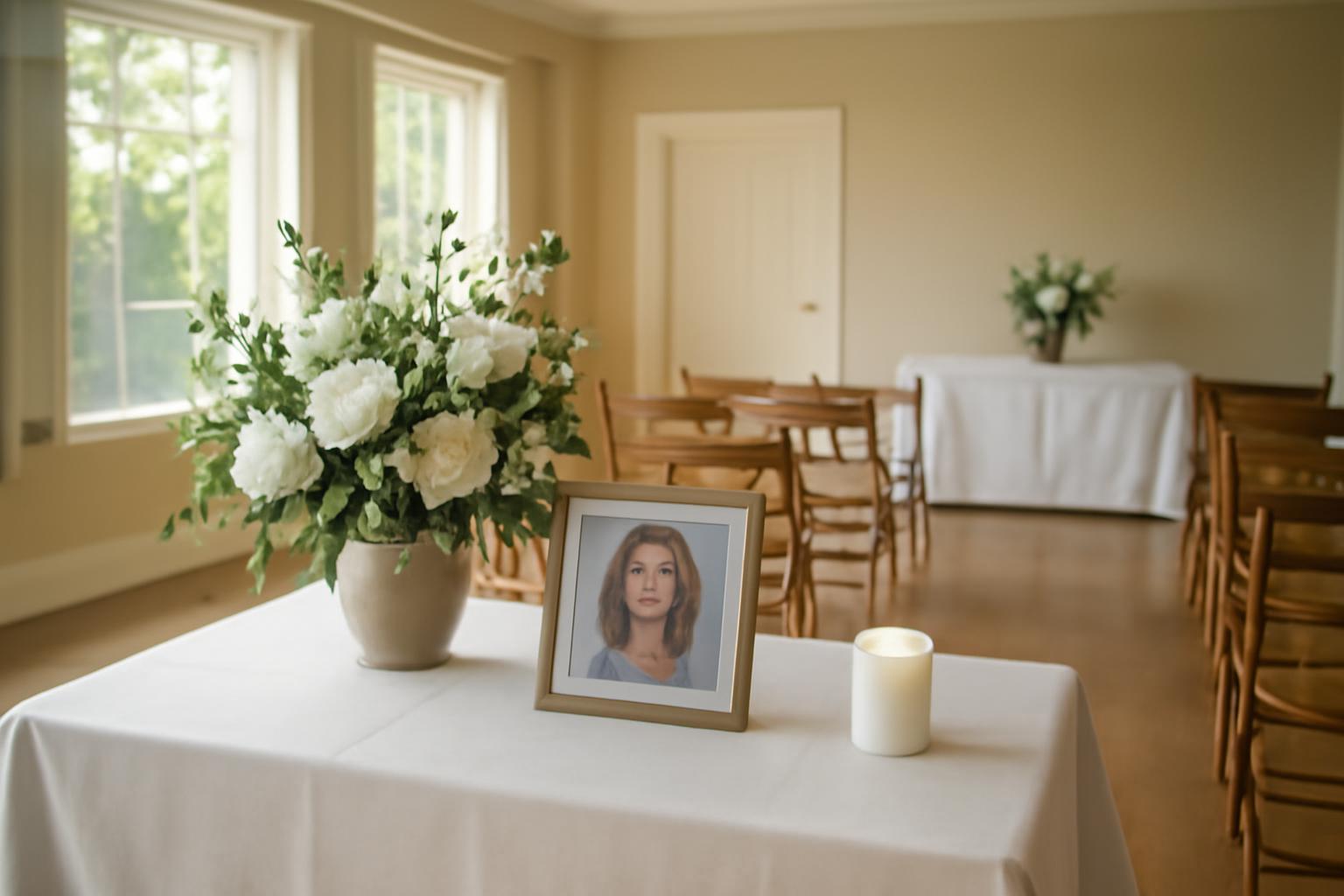
The right venue for a celebration of life is not necessarily the most elaborate property or the one with the lowest advertised rate. It is the place that can comfortably hold the expected guests, support the planned tribute, meet accessibility needs, fit the family’s all-in budget, and provide an appropriate level of help.
That could be a familiar living room, a faith community’s fellowship hall, a favorite restaurant, a staffed event center, or a park connected to the person being remembered. The key is to compare venues for celebration of life using the same practical criteria—and to ensure that every material promise appears in the written agreement before paying a deposit.
Start With Six Decisions Before Searching for a Venue
A venue search becomes easier when the family first agrees on six broad decisions:
- Approximate date or date range
- Expected attendance
- Acceptable location radius
- Maximum total budget
- Desired tone and format
- Indoor, outdoor, or hybrid preference
These decisions do not have to be final. An attendance estimate of 40 to 60 and a choice between two weekends may be enough to begin. The goal is to give venues useful information without suggesting that every detail has been settled.
Define the likely gathering size
Think of the event as intimate, mid-sized, or large for internal planning, but provide venues with a numerical attendance range. Explain how the room will be used as well.
A headline capacity may describe a standing reception with little furniture. The same room may accommodate fewer guests when it contains dining tables, a buffet, a stage, tribute displays, or wider circulation routes. Ask each venue to confirm capacity for the exact configuration you expect to use.
Also ask:
- When is the final guest count due?
- Can the count change after that date?
- What happens if attendance exceeds the estimate?
- Is the fee affected if attendance is lower?
- Does the venue cap attendance differently for catered and non-catered events?
Clarify the event format
Decide whether the gathering will primarily be:
- A seated service
- A standing reception
- A shared meal
- An open house with staggered arrivals
- A religious or spiritual observance
- A combination, such as a service followed by refreshments
Format affects nearly every venue decision. An open house needs circulation space and flexible seating. A structured service may require rows of chairs, a focal point, microphones, and clear sightlines. A meal requires tables, food-service space, and sufficient access time for catering setup and removal.
Identify the nonnegotiables
Separate essential requirements from preferences. Nonnegotiables might include:
- Step-free entry and continuous wheelchair routes
- Accessible restrooms
- Convenient parking and drop-off access
- A microphone and dependable sound system
- A screen and projector
- Reliable internet and livestream support
- A private room for immediate family
- An indoor weather alternative
- Permission for specific religious or cultural practices
This list prevents an attractive property from reaching the shortlist when it cannot meet a fundamental need.
Choose a setting connected to the honoree
Consider the person’s interests, routines, faith, community, and favorite places. A restaurant may suit someone who brought people together over food. A theater might reflect a performer’s life. A garden, ranch, beach, or park may be appropriate for someone with a strong connection to the outdoors.
The connection need not be literal. A neutral community room can become personal through photographs, music, stories, and food. Conversely, a distinctive property may be a poor fit if its rules prohibit the activities that matter most.
Timing may expand the choices. Direct cremation does not prevent a family from arranging a later memorial at a meaningful location, allowing more time for travel, venue availability, and planning. Mortuary Guide’s comparison of disposition options confirms that a memorial may be held later at a meaningful place.
Prepare a first-pass venue brief
Send every property the same compact description:
Proposed date or date range: Hours required, including setup and teardown: Expected attendance range: Preferred layout: Food and beverage plan: Planned tributes or rituals: Accessibility requirements: Indoor, outdoor, or hybrid preference: Audiovisual and livestream needs: Target all-in budget:
Using one brief makes replies easier to compare and reduces repeated email exchanges.
Compare the Main Types of Celebration-of-Life Venues
Suitable settings range from private homes and funeral chapels to restaurants, galleries, parks, and general-purpose rentals. Each category creates a different balance among cost, privacy, personalization, weather exposure, and planning work.
The following matrix describes common models rather than universal rules. Every property must confirm its prices, inclusions, restrictions, accessibility, and permission to host the event.
| Venue type | Likely cost model | Suitable gathering style | Privacy | Personalization | Weather exposure | Planning burden | Principal drawback |
|---|---|---|---|---|---|---|---|
| Private home or backyard | Household expenses plus optional rentals, food, and cleaning | Intimate storytelling, open house, informal meal | High, subject to layout | Usually high | Moderate to high outdoors | High for the host | Parking, restrooms, setup, and cleanup fall on the household |
| Funeral home or cemetery chapel | Room rental, service package, or reception package | Structured service, visitation, reception | Usually controlled | Varies | Usually low indoors | Low to moderate | May feel more formal than intended |
| Community center | Hourly, half-day, or full-day rental | Casual service, meal, community gathering | Moderate | Often flexible | Low indoors | Moderate | Amenities and staffing vary |
| House of worship | Facility fee, contribution, or member arrangement | Faith observance, service, reception | Moderate to high | Strong fit for relevant traditions | Usually low indoors | Low to moderate | Religious or property rules may limit activities |
| Restaurant, pub, or bar | Room fee, per-person menu, or minimum spend | Shared meal, toast, informal memories | Varies by private-room access | Moderate | Usually low | Low to moderate | Food, timing, speeches, and sound may be restricted |
| Hotel or private club | Room fee plus catering or minimum spend | Formal reception, meal, event with travelers | Moderate to high | Moderate | Low indoors | Low to moderate | In-house services can create additional commitments |
| Banquet or event hall | Fixed package, room fee, or food-and-beverage minimum | Large service, meal, staged program | High | Moderate to high | Low indoors | Low with staff; higher for blank halls | Add-ons can complicate price comparisons |
| Garden, park, beach, or natural area | Permit, site fee, or timed reservation | Nature-centered service, walk, informal gathering | Often low in public areas | Moderate | High | High | Weather, permits, restrooms, and mobility need attention |
| Museum or gallery | Facility rental plus staffing or security | Artistic tribute, reception, display-led event | Moderate to high | Varies | Usually low indoors | Moderate to high | Memorial events or displays may be restricted |
| Theater, studio, or music space | Hourly rental plus possible technical labor | Performances, readings, films, structured program | High | High when approved | Usually low | Moderate | Technical staffing and access time may add complexity |
| Winery, ranch, or farm | Site fee, package, or food-and-beverage commitment | Social gathering, meal, indoor-outdoor tribute | Moderate to high | Moderate | Moderate to high | Moderate | Travel, terrain, seasonality, and alcohol rules |
| Hourly marketplace rental | Hourly rate, usually with additional booking terms | Small reception, studio event, unusual setting | Varies | Often flexible in principle | Varies | Moderate to high | A general event listing may not permit memorials |
Homes, chapels, and faith settings
A private home can support conversation and storytelling in familiar surroundings. It may also contain personal photographs and keepsakes that would otherwise have to be transported. The tradeoff is that the host must address residential parking, bathrooms, furniture, neighbors, food storage, deliveries, trash, and cleanup.
Funeral homes and cemetery chapels may provide staff support, a structured service room, and reception space. This can be useful when the family wants one provider to coordinate logistics or when proximity to a cemetery matters.
Churches, temples, synagogues, mosques, and other houses of worship may have a sanctuary, chapel, social room, or fellowship hall. Confirm who may officiate, which rituals are allowed, whether food or alcohol is restricted, and whether membership is required.
Community centers, restaurants, and hotels
Community centers can provide practical, neutral space. A facility may have tables, chairs, a kitchen, parking, or basic audiovisual equipment, but none of these should be assumed. Request an inventory and ask who is responsible for arranging and restoring the room.
Restaurants work well when a shared meal or favorite establishment is central to the tribute. A private dining room can support stories and a toast without requiring the family to arrange servers, dishes, or food preparation. Verify whether the room is fully private and whether slideshows, speeches, music, or an open microphone are feasible.
Hotels can combine event space and lodging for travelers. Clubs and staffed halls may offer similar support through catering, bartenders, furnishings, and planning help. Ask whether the venue requires in-house food service, approved vendors, minimum spending, or exclusive suppliers.
Natural and unusual settings
Gardens, parks, beaches, and other outdoor spaces can support a walk, informal gathering, or nature-centered remembrance. They also require careful review of permits, seasonal availability, accessible paths, restrooms, shade, seating, sound restrictions, and weather alternatives.
Museums, galleries, theaters, studios, wineries, ranches, boats, and music venues may reflect a particular interest or community connection. Treat them as possibilities, not assumptions. A property advertised for parties, productions, or corporate events may not allow a memorial. Obtain explicit written confirmation before booking, especially through a general event-space marketplace.
Match the Venue to the Guest List, Tone, and Program
A venue fits only when it supports both the people attending and the activities planned.
A home or small private room may encourage storytelling because guests can sit in smaller groups. A hall, club, or event center may better accommodate a large attendance, seated meal, stage, formal speaker sequence, or substantial tribute display.
Request capacity by configuration
Ask for written capacity limits for every relevant arrangement:
- Seated meal
- Theater-style service
- Standing reception
- Buffet layout
- Mixed seating and standing
- Indoor weather-backup layout
- Layout with a stage or large memorial display
Bella Sera illustrates why configuration matters. Its page states a maximum of 250 guests seated at tables with buffet catering, compared with 375 guests in ceremony seating without catering. Those limits are not interchangeable and should be reconfirmed before booking. Bella Sera publishes the two configurations on its venue page.
Capacity is not merely a question of fitting chairs into a room. Guests need space to enter, greet the family, reach refreshments and restrooms, view photographs, and move between seating areas.
Describe the atmosphere concretely
Avoid subjective goals such as finding the “best” or “most peaceful” venue. Describe the intended atmosphere in practical terms:
- Formal or casual
- Religious, spiritual, or nonreligious
- Social or reflective
- Structured or open-ended
- Indoor or nature-centered
- Daytime or evening
- Private or open to a wider community
These distinctions help a venue determine whether it can support the gathering. A pub may suit an informal toast but not a quiet service if its private room opens onto a busy public bar. A garden may support a reflective daytime program but not an evening slideshow without shelter, power, and lighting.
Translate the program into room requirements
| Program element | Venue requirement |
|---|---|
| Speeches or readings | Microphone, speakers, focal area, clear sightlines |
| Slideshow or video | Screen, projector or display, controllable lighting, compatible connections |
| Favorite music | Sound system, playback device, permission for amplified sound |
| Formal service | Stage, lectern, altar, or other focal area |
| Photographs and keepsakes | Stable tables, display boards, approved attachments |
| Open-mic memories | Wireless microphone, moderator, defined timing |
| Shared meal | Dining tables, serving space, kitchen or caterer access |
| Livestream | Internet access, power, camera position, usable audio feed |
| Quiet reflection | Seating away from speakers and food service |
Consider arrival patterns too. Will everyone arrive at once for a service, or will guests come and go during an open house? Is there room for a receiving line without blocking the entrance? Where can children sit or move? Can an older guest reach a chair soon after entering?
During a tour, walk through the event in order: parking, drop-off, entrance, coat storage, family room, seating, tribute displays, service area, refreshments, restrooms, quiet seating, and departure. This often exposes problems that photographs and floor plans do not show.
All-Inclusive Package or Flexible Rental?
A central choice is whether to buy a staffed package or rent a flexible space and organize the remaining services separately.
Neither model is inherently less expensive. A package may include labor, equipment, and services that a blank rental leaves the family to arrange. A flexible venue may offer more control, but deliveries, separate vendors, setup, and cleanup can increase both workload and the final bill.
What an all-inclusive package may provide
Depending on the property, a package might combine:
- Catering
- Beverages and bar service
- Tables and chairs
- Linens and place settings
- Centerpieces or simple décor
- Planning support
- Servers and bartenders
- Audiovisual equipment
- Setup and teardown
- Cleaning
The word “inclusive” does not establish what is included. Request a line-by-line list showing quantities, service duration, staffing, taxes, gratuities, and exclusions.
The Garden Room, for example, advertises buffet or tableside service, desserts, a toast, place settings, linens, centerpieces, floral arrangements on service tables, and event planners. It does not publish celebration-of-life pricing, so a family would need a current itemized proposal. The Garden Room describes its advertised package on its service page.
The University Club of Saint Paul advertises tables, linens, silverware, waitstaff, bartenders, planning help, and space for up to 200 guests or 150 seated. It also identifies itself as the exclusive on-site caterer, which may simplify coordination while limiting outside-food choices. The University Club lists its capacity and advertised provisions online.
What a flexible rental may provide
A blank or outside-vendor-friendly space may make it easier to use:
- Food from a favorite restaurant
- A culturally specific caterer
- Family-made displays
- A preferred florist
- A particular officiant or planner
- Specialized audiovisual or livestream vendors
- Decorations that do not fit a standard package
That control generally creates more coordination work. Determine who will receive deliveries, arrange furniture, manage waste, supervise vendors, and restore the room.
SKYLIGHT advertises outside-caterer and florist flexibility, included furnishings, and separately rentable sound equipment. Pricing and detailed vendor terms require direct confirmation. SKYLIGHT describes its advertised rental model and inclusions.
The Beacon Center in Las Vegas says clients may bring outside food, caterers, decorations, and memorial items, but its published material does not provide complete pricing or booking terms. The Beacon Center’s promotional page states those outside-item policies.
Normalize every quote
Compare the following line by line rather than looking only at the headline total:
- Rental and access hours
- Minimum booking period
- Tables and chairs
- Linens and place settings
- Food
- Nonalcoholic drinks
- Alcohol and bar staffing
- Event staff
- Planning or coordination
- Microphones, speakers, screens, and projectors
- Internet and livestream support
- Setup and teardown
- Trash removal and cleaning
- Taxes, service charges, and gratuities
- Overtime rates
A higher quote may include several of these items. A lower quote may leave them for the family to source separately.
Understand the Total Cost, Not Just the Rental Rate
There is no dependable single price for a celebration-of-life venue. Properties use different pricing structures, and similar advertised rates may include different rooms, hours, staff, equipment, or services.
Common structures include:
- Hourly rental
- Hourly rental with a minimum booking period
- Half-day or full-day rental
- Fixed package
- Per-person food package
- Food-and-beverage minimum
- Room rental plus mandatory services
For an hourly venue, begin with:
Hourly rate × minimum booking hours = starting rental cost
For example, a space advertised at $150 per hour with a six-hour minimum has a starting rental amount of $900. That calculation does not establish the final price. Marketplace evidence shows that minimum booking periods can apply, while final parking, catering, cleaning, accessibility, and equipment terms still require confirmation. Peerspace’s displayed listings illustrate hourly rates and minimum booking periods.
Do not treat marketplace averages as national or local benchmarks. Platforms may use proprietary methods, and their listings do not necessarily include the same charges or explicitly approve the same event type.
A concrete package example
Bella Sera’s published base package lists four hours of venue rental, microphones, a speaker, Bluetooth audio, a projector, an event coordinator, and post-event cleanup. The page lists $1,750 for up to 150 guests and $2,750 for 151 to 250 guests. These figures illustrate package structure rather than a regional market price; current pricing, taxes, availability, and terms must be confirmed. Bella Sera publishes the stated package prices and inclusions.
Ask what sits outside the advertised rate
Request a written answer for each of these possible charges or obligations:
- Setup and cleanup hours
- Additional event time
- Catering and delivery
- Beverage service
- Service charges
- Taxes
- Gratuities
- Marketplace or processing fees
- Deposit and refund terms
- Event insurance
- Security
- Parking or valet service
- Tables, chairs, and specialty furniture
- Linens and serving ware
- Audiovisual rentals and technicians
- Permits
- Overtime
- Excess trash, damage, or cleaning
Compare both the all-in estimate and the planning burden. A staffed package may reduce the work expected from relatives, while a blank room may be appropriate when the family already has trusted vendors or intends to serve simple refreshments.
Itemized quote template
| Item | Quoted amount | Mandatory or optional? | Tax, service charge, or gratuity treatment | Payment due date | Cancellation or refund treatment |
|---|---|---|---|---|---|
| Room rental | |||||
| Setup and teardown time | |||||
| Furniture | |||||
| Linens and place settings | |||||
| Catering | |||||
| Beverages and bar | |||||
| Staffing | |||||
| Audiovisual equipment | |||||
| Internet or livestream | |||||
| Parking or valet | |||||
| Cleaning and trash | |||||
| Insurance, security, or permits | |||||
| Platform or processing fee | |||||
| Overtime rate |
Check Accessibility, Parking, Food, and Technology
Accessibility, transportation, catering rules, and technology can determine whether a venue works even when the room and initial quote appear suitable.
Treat accessibility as a separate workstream
Ask the venue to confirm:
- Step-free entry
- Elevators serving every booked floor
- Accessible restrooms
- Continuous wheelchair routes between event areas
- Suitable seating positions and table heights
- Accessible parking spaces
- A safe drop-off point
- Hearing-assistance options
- Space for mobility devices
- Dietary accommodation procedures
- A quieter seating area
Accessibility cannot be inferred from photographs or venue type. One displayed Los Angeles banquet-hall listing explicitly reports that the room is on the second floor, has no elevator or ramps, and is not ADA compliant. The marketplace listing displays that host-supplied accessibility limitation.
If possible, ask someone familiar with the guests’ needs to join the tour. Inspect parking surfaces, thresholds, doors, elevators, restrooms, outdoor paths, and the weather-backup room.
Confirm transportation and parking
Ask:
- How many spaces are available?
- How many are accessible?
- Is parking shared with another event or business?
- Is there a drop-off area near the entrance?
- Are lots paid, free, or valet-operated?
- Is street parking practical at the event time?
- Is public transportation nearby?
- May taxis and rideshare vehicles stop at the entrance?
- Is nearby lodging available for travelers?
Room capacity can exceed practical parking capacity. If it does, ask whether shuttles, reserved spaces, carpooling, or other arrangements are possible.
Establish food and alcohol rules
Determine whether food must come from:
- An exclusive in-house caterer
- A list of approved vendors
- Any licensed outside caterer
- A favorite restaurant
- Family members
Then ask about refrigeration, ice, warming equipment, kitchen access, serving ware, leftovers, waste, and delivery routes. Permission to bring outside food does not necessarily include permission to cook on the premises.
For alcohol, confirm:
- Whether it is permitted
- Who may supply it
- Whether a licensed bartender is required
- Where it may be served
- When service must end
- Whether insurance or security is required
SKYLIGHT demonstrates why operational details matter. It advertises sound equipment for rent, a prep kitchenette where cooking is not permitted, and parking choices that can include an additional-fee lot, paid lots, street parking, or optional valet service. These terms can materially affect the plan and budget even when the room itself is suitable.
Test audiovisual and livestream systems
Ask specifically about:
- Number and type of microphones
- Built-in or portable speakers
- Projector and screen specifications
- HDMI, USB-C, wireless, and other connections
- Internet access and network reliability
- Technician availability
- Recording options
- Livestream platforms and camera placement
- Extension cords and power outlets
- Music or volume restrictions
- Backup equipment
Bella Sera is one venue example that advertises microphones, a speaker, Bluetooth audio, a projector, and support for livestreaming. Treat those published features as a starting point: confirm current specifications and test the complete setup.
Arrange a short rehearsal using the actual laptop, slideshow, music, videos, and livestream account. Keep backup copies on a second device, a USB drive, and secure cloud storage. Assign someone other than a principal speaker to operate the system.
Plan Carefully for Outdoor and At-Home Gatherings
Outdoor and home-based gatherings can feel personal and relaxed, but they usually place more logistical responsibility on the family.
Build a real weather plan
Plan for more than rain. Depending on the location and season, consider:
- Heat
- Cold
- Strong wind
- Wildfire smoke
- Poor air quality
- Mud or wet ground
- Sudden storms
- Early darkness
Ask what triggers a move indoors, who makes the decision, and when it must be made. Confirm that the indoor backup can hold the full expected attendance in the required layout. A small room is not a workable contingency for a much larger outdoor service.
Seasonality also matters. Three Rivers Park District lists seasonal rental periods for four memorial properties, while Silverwood Park is advertised as available year-round. Specific dates still require confirmation. The park district publishes the properties and rental seasons on its memorial-venue page.
Ask about permissions and site conditions
Confirm rules for:
- Permits
- Amplified music
- Alcohol
- Candles, incense, lanterns, and open flames
- Freestanding décor and signs
- Flowers, petals, balloons, or confetti
- Memorial planting
- Displaying or handling ashes
- Photography and recording
- Catering vehicles
- Event end times
Public land, gardens, beaches, and historic properties may restrict activities to protect visitors or the site. Do not assume an activity is permitted because it seems harmless.
Inspect:
- Shade
- Evening lighting
- Electrical power
- Stable seating areas
- Accessible paths
- Restrooms
- Insect exposure
- Drinking water
- Food-service conditions
- Distance from parking
- Transportation for guests who cannot walk far
Ask both the maximum outdoor capacity and the capacity of the indoor alternative. Regional planning guidance similarly recommends confirming capacity, catering arrangements, and backup space for rain or heat. The Bay Area venue guide outlines those initial questions.
Use a home-gathering checklist
For a celebration at home, address:
- Neighbors: Give notice when appropriate and provide a contact for concerns.
- Noise: Set an end time and control outdoor speakers.
- Parking: Protect driveways, mailboxes, fire access, and accessible drop-off space.
- Guest overflow: Identify indoor or covered areas for additional people.
- Bathrooms: Decide whether household facilities are adequate.
- Furniture: Create seating without blocking exits or narrowing routes.
- Food: Plan storage, service, replenishment, and leftovers.
- Deliveries: Schedule tents, tables, chairs, flowers, and catering.
- Trash: Provide visible bins and assign removal.
- Cleanup: Decide who will clean before and after the event.
- Pets: Place animals in a secure, quiet area if necessary.
- Children: Identify safe spaces and outdoor hazards.
- Bad weather: Confirm where everyone will go if the yard becomes unusable.
A home may avoid a commercial room charge, but the family should still budget for any furniture, tenting, food, serving help, cleaning, permits, or restroom arrangements it chooses or is required to obtain.
Name one day-of coordinator who is not an immediate family member. That person can meet vendors, direct arrivals, monitor weather, answer practical questions, and supervise cleanup while close relatives focus on guests.
Personalize the Space Without Overcomplicating the Event
Meaningful personalization does not require professional décor or a premium venue. A few well-chosen details often communicate more than a room filled with generic decorations.
Welcome guests
Help people understand where to go and what to expect with:
- A simple entrance sign
- A guest book
- A printed or digital program
- Name tags for a large community gathering
- A table for cards or written condolences
- A photograph near the entrance
For events spread across multiple rooms or outdoor areas, use discreet signs for seating, refreshments, restrooms, and the family room.
Tell the person’s story
Choose a limited number of story-rich elements:
- A memory table
- Framed photographs
- Personal keepsakes
- A slideshow
- Favorite music
- Books, tools, artwork, uniforms, or hobby items
- Favorite food or drinks
- Simple colors connected to a team, school, garden, or interest
Use copies of irreplaceable photographs when practical, and keep valuable or fragile objects away from high-traffic areas. Ask what tables, easels, display boards, and attachment methods the venue permits.
Invite participation
Guests can contribute through:
- Written memory cards
- A shared toast
- Scheduled storytelling
- An open microphone with a moderator
- Readings
- Music
- A collaborative photo board
- A meal or favorite dessert
- A quiet period for viewing photographs
Participation benefits from structure. For an open microphone, name a host, suggest a time limit, and decide how guests will indicate that they want to speak. This preserves time for close family and keeps the program from becoming unexpectedly long.
Make room for informal connection
Do not schedule every minute. Guests may value time to reconnect, speak privately, and exchange stories that do not fit into a formal program.
Match activities to the setting. A home may support informal storytelling. A restaurant may center the gathering on a favorite meal. A park may allow a walk along a familiar route. A theater may support music, recorded performances, or readings.
Get approval for personal elements
Request written permission for:
- Photographs and display boards
- Tape, hooks, adhesives, or wall attachments
- Freestanding signs and easels
- Candles, incense, or open flame
- Flowers, petals, and plants
- Amplified or live music
- Outside food
- Alcohol
- Displaying or handling ashes
- Recording and livestreaming
- Early setup and delivery access
Select a few details with strong personal meaning rather than trying to fill every surface. A favorite song, recognizable meal, or thoughtful story may be more memorable than the amount of décor.
Shortlist, Tour, and Book With the Important Terms in Writing
Use a consistent three-step process before committing to a venue.
1. Create a shortlist
Score each candidate against the same criteria:
- Capacity for the intended layout
- Location and travel burden
- Accessibility
- Privacy
- Desired atmosphere
- Weather backup
- Catering compatibility
- Audiovisual capability
- Planning support
- All-in estimated cost
- Permission for planned tributes
A visually appealing venue that fails an accessibility, capacity, or budget requirement should not remain on the list solely because it photographs well.
2. Tour the finalists
Tour in person when practical or request a live video tour. Ask to see the exact rooms and outdoor areas included in the proposal, not a showcase room that costs more.
Walk through parking, entrances, elevators, restrooms, seating, catering access, electrical outlets, display areas, the family room, and the weather backup. Note ambient noise, simultaneous events, lighting at the planned time, and the distance between essential areas.
For a marketplace property, explicitly ask whether celebrations of life and memorial gatherings are permitted. Placement within a memorial search category does not by itself establish host approval.
3. Compare written proposals and agreements
The written proposal should identify:
- Exact rooms and outdoor areas
- Event date
- Arrival and departure times
- Setup and teardown access
- Capacity for the planned layout
- Included furniture
- Staffing
- Catering terms
- Alcohol rules
- Audiovisual equipment
- Internet and livestream provisions
- Parking arrangements
- Accessibility features
- Cleanup duties
- Overtime charges
Before signing, ask:
- Is the deposit refundable or transferable?
- What is the payment schedule?
- What happens if the family cancels?
- May the event be rescheduled?
- How does the agreement address severe weather or other disruptive events?
- Is event insurance required?
- Is security required?
- Must vendors come from an approved list?
- Who is responsible for damage?
- When is the final guest count due?
- What happens if attendance changes?
Ensure the final written agreement reflects every material promise and approved exception. Ask for separate written confirmation of memorial-specific elements, including ashes, candles, incense, religious or cultural rituals, memorial planting, amplified music, and livestreaming.
Verify current prices, capacities, availability, amenities, and policies directly before paying. Venue pages and marketplace listings can change.
Red flags include:
- Refusal to provide a written, itemized quote
- Unclear setup, access, or teardown hours
- A weather backup that is not reserved or cannot hold the guests
- Essential areas that are not accessible
- Vague cleanup or trash responsibilities
- Unexplained mandatory charges
- Promised equipment missing from the agreement
- Written terms that do not match verbal assurances
Frequently Asked Questions
Can a celebration of life be held at home?
Yes. A home can work well for a small, familiar gathering centered on conversation, food, photographs, and storytelling.
Plan for accessible entry, parking, bathrooms, seating, neighbors, noise, food storage, trash, pets, children, weather, deliveries, and cleanup. Assign someone other than an immediate family member to coordinate practical matters on the day.
How much does it cost to rent a venue for a celebration of life?
There is no dependable single price. A venue may charge by the hour, require a minimum booking period, offer a half-day or full-day rate, sell a fixed package, or set a food-and-beverage minimum.
Request an itemized quote covering the room, access time, staffing, furniture, food, equipment, parking, cleaning, taxes, gratuities, overtime, and any mandatory booking requirements. Compare the all-in estimate rather than the advertised room rate.
Can we bring our own food, caterer, decorations, and memorial items?
Sometimes. Some venues require in-house catering or approved vendors, while flexible rentals may allow a favorite restaurant, outside caterer, family-provided food, decorations, and memorial displays.
Ask specifically about food preparation, refrigeration, alcohol, bartenders, adhesives, candles, flowers, ashes, delivery access, setup time, and cleanup. Obtain written approval for the items you intend to bring.
What should we ask an outdoor venue before booking?
Ask about:
- Capacity for the planned layout
- Capacity of the indoor backup
- Seasonal availability
- Rain, heat, cold, wind, smoke, and air-quality procedures
- Permits
- Sound and alcohol restrictions
- Candles, ashes, planting, and décor
- Shade, lighting, and power
- Accessible paths and drop-off points
- Restrooms and drinking water
- Seating and furniture
- Grounds conditions and insects
- Catering rules
- Distance from parking
Confirm who makes the weather decision, when it must be made, and whether the backup area is reserved in the written agreement.
Can a celebration of life be held weeks or months after a cremation?
Yes. A family may arrange a later memorial after direct cremation, including at a location meaningful to the person who died. The additional time may make travel, scheduling, venue selection, and preparation easier.
Timing may also be influenced by family preferences and faith or cultural practices. Discuss any transport, display, burial, scattering, or other handling of ashes with the relevant venue and an appropriate local professional.
Choose for fit rather than prestige. The right setting can safely and comfortably hold the guests, support the tribute, meet accessibility needs, and remain within the family’s all-in budget. Tour the finalists, compare normalized quotes, and obtain written confirmation of access hours, capacity, permitted activities, cancellation terms, and every promised inclusion before paying a deposit.
This guide provides general information and does not replace advice from a licensed funeral director, attorney, venue manager, or another appropriate professional. Requirements and costs vary by locality, as explained in Mortuary Guide’s terms.